
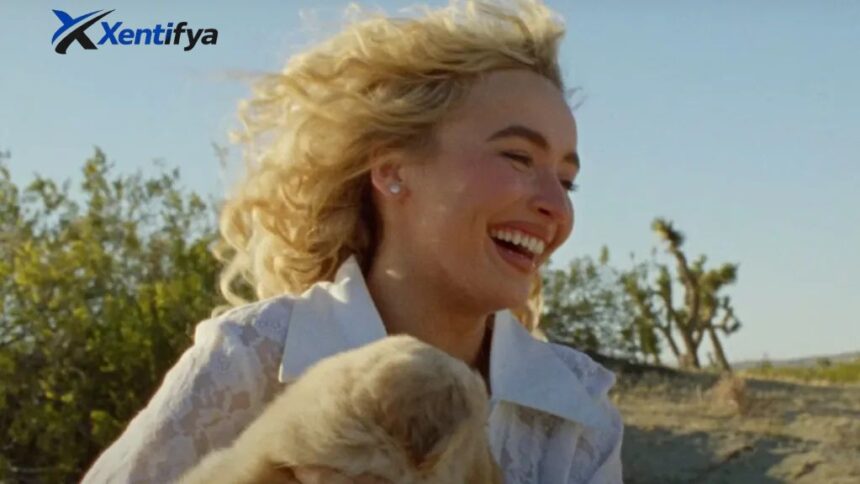
The Sabrina Carpenter Rolling Stone cover became one of the most talked-about pop culture moments of 2025. It was bold, stylish, and perfectly timed with a major new chapter in her career. For some fans, it felt like a celebration of her rise. For others, it sparked a bigger conversation about image, confidence, fame, and how women in music are judged.
- BIO
- A Career Moment That Felt Earned
- Why This Cover Stood Out
- The David LaChapelle Effect
- The Album Behind the Cover
- A New Kind of Pop Confidence
- The Public Reaction
- More Than a Former Disney Star
- The Power of Her Visual Identity
- The Interview Added Depth
- The Cold Plunge Detail
- Why Fans Connected With It
- The Debate Around Female Pop Stars
- A Smart Career Move
- What the Cover Says About Sabrina Now
- Why It Will Be Remembered
- Conclusion
Sabrina Carpenter was no longer being viewed only as a former Disney star or a rising pop singer. By the time Rolling Stone placed her on its July-August 2025 issue, she had become one of pop’s most visible names. Her songs were everywhere, her fashion choices were constantly discussed, and her personality had become a major part of her brand.
The cover, photographed by David LaChapelle, showed Carpenter in a dramatic and provocative visual style. LaChapelle confirmed that the shoot took place at his Los Angeles studio for Rolling Stone’s special July-August 2025 double issue.
BIO
| Label | Information |
|---|---|
| Topic | Sabrina Carpenter Rolling Stone Cover |
| Celebrity | Sabrina Carpenter |
| Magazine | Rolling Stone |
| Issue Release | July–August 2025 |
| Photographer | David LaChapelle |
| Article Type | Celebrity Feature |
| Main Focus | Music and Career Growth |
| Cover Style | Bold and Glamorous |
| Viral Reason | Social Media Buzz |
| Featured Album | Man’s Best Friend |
| Genre | Pop Culture |
| Fan Reaction | Mostly Positive |
| Key Highlight | Sabrina’s Artistic Evolution |
A Career Moment That Felt Earned
The Rolling Stone cover did not arrive out of nowhere. It came after years of steady work, reinvention, and persistence.
Sabrina Carpenter began her public career as an actress, gaining attention through Disney Channel’s Girl Meets World. But her long-term goal was always bigger than one role. She released multiple albums before the mainstream fully caught up with her, slowly building a loyal fan base through songwriting, touring, and a clear sense of personality.
Her 2024 album Short n’ Sweet changed the scale of everything. Vogue noted that the album debuted at No. 1 on the Billboard 200 and quickly went platinum, helping Carpenter move from respected pop figure to full cultural force.
That success gave the Rolling Stone feature more weight. This was not just a glamorous magazine shoot. It was a marker of arrival.
Why This Cover Stood Out
The Sabrina Carpenter Rolling Stone cover stood out because it captured the exact tension that defines her public image: playful but controlled, glamorous but self-aware, sweet but sharp.
On the cover, Carpenter appeared with long blonde hair, white stockings, and a striking pose that immediately caught attention. InStyle described the shoot as part of Rolling Stone’s summer double issue and noted the visual references to her now-iconic blonde hair and high-glam aesthetic.
What made the image powerful was not only the styling. It was the timing. Carpenter had already built an image around retro femininity, humor, and flirtation. The Rolling Stone cover pushed that image further, making it feel larger, more editorial, and more deliberate.
It was not a random shock moment. It fit the Sabrina Carpenter era.
The David LaChapelle Effect
Choosing David LaChapelle mattered. His photography is known for being colorful, theatrical, surreal, and often provocative. He does not usually create quiet celebrity portraits. His work tends to turn pop stars into exaggerated versions of themselves.
That approach suited Carpenter perfectly. Her current artistic identity already plays with exaggeration. Her performances, videos, outfits, and lyrics often lean into old-school glamour, comedy, and desire.
LaChapelle’s shoot amplified those qualities. The result was a cover that felt more like a pop painting than a standard magazine photo.
For Carpenter, this was also another sign that her visual world had become important enough to be studied and styled at a high level. The photos were not just about beauty. They were about persona.
The Album Behind the Cover
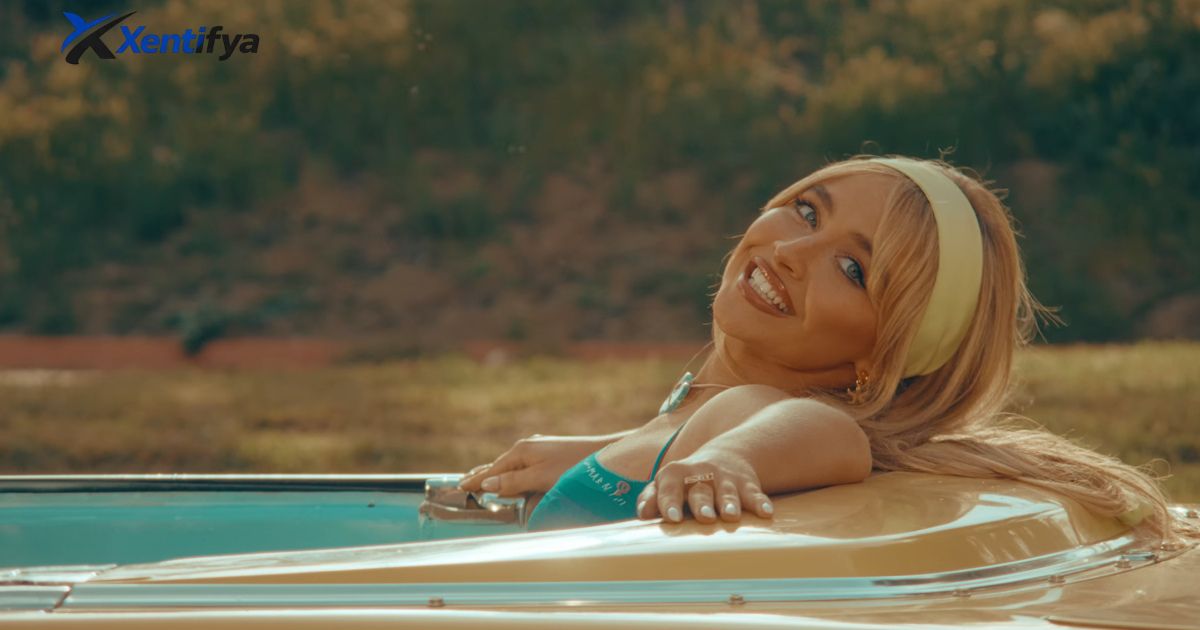
The Rolling Stone feature was also connected to Carpenter’s next musical chapter. Around the same period, she was preparing for Man’s Best Friend, her seventh studio album.
People reported that the album was set for release on August 29, 2025, following the success of Short n’ Sweet. Carpenter explained in the Rolling Stone interview that she did not want to stretch out the previous era just because the industry often expects artists to wait longer between albums.
That detail says a lot about where she was creatively. Instead of playing safe, Carpenter seemed eager to move while inspiration was fresh. She was not trying to preserve one successful moment forever. She was building another one.
This made the cover feel like a bridge between eras: the victory lap after Short n’ Sweet and the opening statement for Man’s Best Friend.
A New Kind of Pop Confidence
One reason the Sabrina Carpenter Rolling Stone cover gained so much attention is because Carpenter has become unusually comfortable with contradiction.
She can write funny, flirty songs and still be serious about her craft. She can wear hyper-feminine clothing and still control the joke. She can invite attention without seeming desperate for approval.
That balance is not easy. Many artists either avoid controversy or become swallowed by it. Carpenter’s strength is that she often makes the conversation part of the performance.
In the Rolling Stone interview, she discussed how women in music are constantly picked apart. InStyle reported that Carpenter spoke about the scrutiny female artists face, especially around fashion and public appearances.
That point gave the cover a deeper meaning. It was not just about looking daring. It was also about refusing to shrink under criticism.
The Public Reaction
The reaction to the cover was immediate. Fans praised the image, the styling, and the confidence behind it. Many saw it as one of Carpenter’s strongest magazine moments so far.
At the same time, some people debated whether the cover was too provocative. That conversation was not surprising. Carpenter’s image has often stirred discussion because she blends sweetness with sexuality in a way that makes some audiences uncomfortable.
But that discomfort is also part of why the cover worked. It made people talk about her as an artist with agency, not just a celebrity being styled by others.
The cover also arrived at a point when Carpenter had already learned how to handle online noise. She was not new to criticism. By this stage, she seemed more interested in making work that felt true to her than in softening herself for everyone’s approval.
More Than a Former Disney Star
A major reason this cover mattered is that it helped move the public conversation beyond the “former Disney star” label.
That label follows many young performers for years. It can make audiences view every adult artistic choice as either a rebellion or a shock tactic. But Carpenter’s evolution has been slower, more intentional, and more layered than that.
She released music for years before her biggest hits. She toured, experimented with sound, sharpened her writing voice, and found a visual identity that felt personal. The Rolling Stone cover reflected that long process.
It showed an artist who had grown into her own timing.
The Power of Her Visual Identity
Sabrina Carpenter’s image has become one of the most recognizable in current pop. Her blonde curls, pink tones, vintage silhouettes, platform shoes, and playful stage styling have become part of what fans connect with.
Vogue described her fan aesthetic as “Brinacore,” built around soft colors, sequins, hearts, kiss marks, and a cheeky version of ultra-feminine style.
The Rolling Stone cover took that familiar world and made it more cinematic. It kept the blonde glamour but stripped away some of the sweetness. The result was more mature, more dramatic, and more magazine-ready.
That is why the cover felt like a defining image. It did not abandon her brand. It elevated it.
The Interview Added Depth
A memorable magazine cover needs more than a strong photo. It also needs a story that gives the image context.
Rolling Stone’s feature offered that. According to Rolling Stone Philippines, the July-August 2025 cover story was written by Angie Martoccio and photographed by David LaChapelle. The piece explored Carpenter’s attitude toward fame, tabloid attention, criticism, humor, and confidence.
The interview helped explain why Carpenter has become such a compelling figure. She is not trying to appear untouched by fame. She seems aware of how strange the machine is, but she also knows how to use it.
That self-awareness is part of her appeal. She does not present herself as perfect. She presents herself as quick, funny, ambitious, and in control.
The Cold Plunge Detail
One of the more human details from the Rolling Stone coverage was the setting of the interview. Rolling Stone’s follow-up piece noted that the publication spent time with Carpenter across two continents, including moments involving a sauna and cold plunge.
That kind of detail matters because it gives readers a glimpse behind the polished image. The cover may have looked highly stylized, but the story around it showed a more casual and grounded side of Carpenter.
It reminded fans that the glamorous image and the real person are not completely separate. Her humor, discipline, and everyday habits all feed into the larger persona.
Why Fans Connected With It
Fans connected with the Sabrina Carpenter Rolling Stone cover because it felt like a reward for following her journey.
Many longtime supporters watched her grow from a young actress into a confident pop artist. They saw the years when she was talented but not yet treated like a major star. They saw the smaller albums, the viral tour moments, the gradual shift in public perception.
So when Rolling Stone gave her a major cover, it felt symbolic. It told fans that the rest of the world was finally seeing what they had seen for years.
That emotional connection is important. Magazine covers still matter when they feel like milestones, and this one did.
The Debate Around Female Pop Stars
The cover also became part of a wider conversation about how female pop stars are judged.
When male artists reinvent themselves, the focus is often on creativity or growth. When women do it, the conversation quickly turns to clothing, sexuality, attitude, and whether they are being “too much.”
Carpenter’s Rolling Stone moment exposed that double standard again. Some people discussed the music and artistry. Others focused almost entirely on the visual boldness of the shoot.
But Carpenter’s career shows that these things are connected. Her image, songs, humor, and performance style are all part of the same creative package. Reducing the cover to only its provocative elements misses the point.
A Smart Career Move
From a career perspective, the cover was smart. It kept Carpenter in the center of pop culture conversation during a crucial transition between albums.
After Short n’ Sweet, she could have played it safe and repeated the same formula. Instead, she used the Rolling Stone feature to signal movement. The styling was bolder. The interview was direct. The album rollout felt immediate.
People reported that Carpenter said she was learning to listen more to what felt right rather than what people considered the correct career move.
That mindset is important for any artist trying to last. Pop careers are not built only on hits. They are built on timing, instinct, and the ability to make each era feel alive.
What the Cover Says About Sabrina Now
The Sabrina Carpenter Rolling Stone cover says that she understands the power of presentation.
She knows people are watching. She knows people will comment. But instead of avoiding that attention, she shapes it into part of the story.
The cover showed confidence, but not in a flat or obvious way. It showed someone willing to be glamorous, funny, provocative, and self-aware at the same time.
That mix has become her signature. It is what separates her from artists who only chase trends.
Why It Will Be Remembered
Some magazine covers disappear quickly. Others become reference points in an artist’s career.
This Rolling Stone cover is likely to be remembered because it arrived at the right moment. Sabrina Carpenter was at a peak, but not at a finish line. She had already proven herself commercially, and she was preparing to move into another ambitious phase.
The image captured that in one frame. It showed a pop star enjoying her power while still pushing forward.
For fans, it was glamorous. For critics, it was discussion-worthy. For Carpenter’s career, it was a statement.
Conclusion
The story behind the Sabrina Carpenter Rolling Stone cover is not just about a bold photo shoot. It is about timing, growth, image, and artistic control.
The cover marked Sabrina Carpenter’s transition from rising star to fully established pop figure. It reflected the success of Short n’ Sweet, teased the confidence behind Man’s Best Friend, and showed how carefully she has built her public identity.
Most importantly, it captured what makes Sabrina Carpenter interesting right now. She is polished but playful, confident but still evolving, and fully aware of the conversation around her.
That is why the cover mattered. It was not just another magazine moment. It was a snapshot of an artist stepping into her power.