

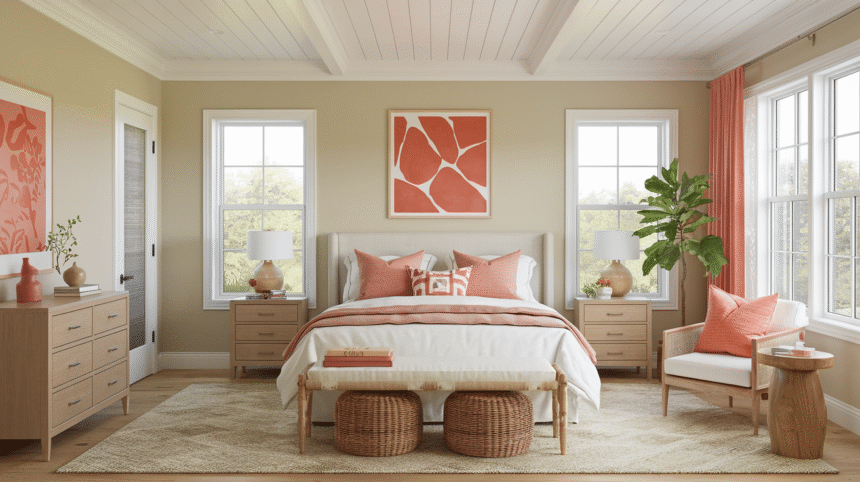
Choosing the right paint color can completely transform a home. While trends come and go, some colors maintain their popularity because of their versatility and enduring appeal. Accessible Beige is one of those rare shades that has remained a favorite among homeowners, interior designers, and real estate professionals for years.
- BIO
- What Is Accessible Beige?
- Why Accessible Beige Remains Popular
- Why Accessible Beige Creates a Timeless Look
- Understanding the Undertones
- Using Accessible Beige in Living Rooms
- Using Accessible Beige in Bedrooms
- Using Accessible Beige in Kitchens
- Using Accessible Beige in Dining Rooms
- Using Accessible Beige in Home Offices
- The Impact of Natural Light
- Choosing the Right Trim Color
- Best Color Combinations
- Decorating Styles That Work Well
- Furniture and Décor Pairings
- Common Mistakes to Avoid
- Accessible Beige Compared to Other Popular Neutrals
- Professional Design Tips
- Conclusion
- How Driving Modes in Cadillac Lyriq Impact Battery Range
- Frequently Asked Questions
Known for its warm and welcoming appearance, Accessible Beige offers a balanced neutral backdrop that works with a wide range of decorating styles. Whether you are updating a single room or redesigning your entire home, this color can help create a timeless interior that feels elegant, comfortable, and inviting.
BIO
| Label | Information |
|---|---|
| Color Name | Accessible Beige |
| Brand | Sherwin-Williams |
| Color Type | Warm greige |
| Main Undertones | Beige and soft gray |
| Style Fit | Traditional to modern |
| Best Use | Whole-home color |
| Popular For | Timeless interiors |
| Works With | White trim and wood tones |
| Ideal Rooms | Living rooms, bedrooms, kitchens |
| Lighting Effect | Changes with natural light |
| Key Benefit | Warm and versatile look |
| Accent Colors | Navy, olive, charcoal, terracotta |
| Overall Feel | Cozy, elegant, and welcoming |
What Is Accessible Beige?
Accessible Beige is a popular paint color from Sherwin-Williams. Despite its name, it is not a traditional beige. Instead, it is often described as a warm greige, meaning it combines elements of beige and gray.
This balanced mix gives the color remarkable flexibility. Unlike older beige shades that can sometimes appear yellow or overly warm, Accessible Beige has subtle gray undertones that help modernize its appearance. The result is a neutral color that feels sophisticated without looking cold.
Its adaptability allows it to work beautifully in homes with different architectural styles, furniture choices, and lighting conditions.
Why Accessible Beige Remains Popular
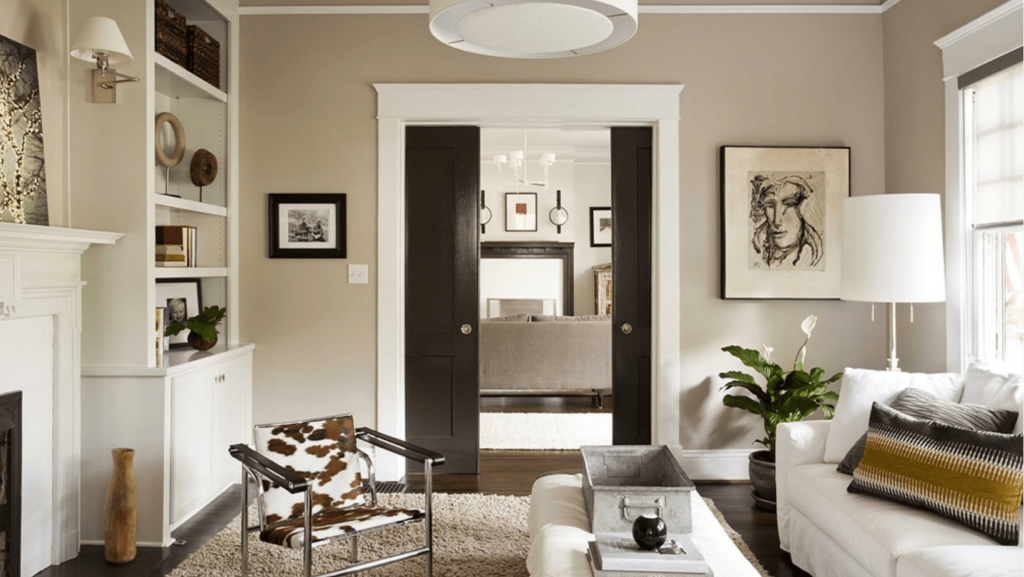
Many paint colors become fashionable for a few years and then quickly fade from popularity. Accessible Beige has remained relevant because it offers qualities that homeowners consistently value.
First, it creates a welcoming atmosphere. Warm neutrals naturally make spaces feel more comfortable and inviting. Second, it complements a wide variety of materials, including wood, stone, metal, and fabric. Finally, it provides a neutral foundation that allows homeowners to update furniture and décor without needing to repaint.
This flexibility makes Accessible Beige a practical long-term investment for anyone looking to create a timeless interior design.
Why Accessible Beige Creates a Timeless Look
A timeless interior is not about following trends. It is about creating a space that continues to look attractive and functional for years.
Accessible Beige helps achieve this goal because it sits comfortably between warm and cool color families. This balanced position allows it to blend with both traditional and contemporary design elements.
Many trendy colors eventually feel dated because they are strongly tied to a specific design era. Accessible Beige avoids this issue by providing a subtle backdrop that supports changing décor styles over time.
Its understated elegance allows architectural details, furniture, artwork, and decorative accents to take center stage while maintaining a cohesive appearance throughout the home.
Understanding the Undertones
One of the most important aspects of selecting any paint color is understanding its undertones.
Accessible Beige contains soft gray undertones along with hints of warm taupe. These undertones help prevent the color from appearing overly yellow or orange, which can sometimes happen with traditional beige paints.
However, undertones may appear differently depending on lighting conditions. In bright natural light, Accessible Beige often looks lighter and more balanced. In darker rooms, its warmth becomes more noticeable.
Testing paint samples on multiple walls before making a final decision is always recommended because lighting can significantly influence how the color appears in your space.
Using Accessible Beige in Living Rooms
The living room is often the heart of the home, making it an ideal place to use Accessible Beige.
Its warm neutral character creates a comfortable environment for relaxation and entertaining. The color works particularly well with natural materials such as wood flooring, linen upholstery, and woven textures.
Light-colored sofas, wooden coffee tables, and soft area rugs pair beautifully with Accessible Beige walls. The neutral backdrop also provides flexibility for seasonal decorating updates without requiring major design changes.
Whether your style leans toward farmhouse, traditional, or modern, Accessible Beige can serve as an elegant foundation.
Using Accessible Beige in Bedrooms
Bedrooms should feel calm, peaceful, and restful. Accessible Beige naturally supports these goals.
The warmth of the color creates a soothing atmosphere without feeling overwhelming. It works exceptionally well with soft textiles, including cotton bedding, wool throws, and linen curtains.
To enhance the relaxing effect, many designers recommend layering various neutral tones throughout the room. Whites, creams, and soft grays can create depth while maintaining a serene environment.
The result is a bedroom that feels both luxurious and comfortable.
Using Accessible Beige in Kitchens
Modern kitchens often combine functionality with visual appeal. Accessible Beige helps bridge the gap between these two priorities.
The color pairs well with white cabinets, natural wood finishes, and stone countertops. It also complements popular materials such as quartz, marble, and subway tile backsplashes.
Unlike stark white walls, Accessible Beige introduces warmth into the kitchen, helping the space feel more inviting while maintaining a clean and polished appearance.
Its neutral nature also allows colorful accessories, cookware, and decorative pieces to stand out without creating visual clutter.
Using Accessible Beige in Dining Rooms
Dining rooms benefit from colors that encourage comfort and conversation. Accessible Beige provides exactly that balance.
The warm undertones help create an inviting atmosphere while maintaining a sense of sophistication. Whether paired with rustic wooden furniture or formal dining sets, the color adapts effortlessly.
Adding layered lighting, elegant textiles, and metallic accents can further enhance the room’s visual appeal while preserving its timeless character.
Using Accessible Beige in Home Offices
As more people work from home, creating a productive office environment has become increasingly important.
Accessible Beige offers a balanced backdrop that promotes focus without feeling sterile. Unlike brighter colors that can become distracting, its subtle warmth helps create a comfortable workspace.
Pairing it with natural wood desks, organized shelving, and thoughtful lighting can result in an office that feels both professional and welcoming.
The Impact of Natural Light
Lighting plays a crucial role in how Accessible Beige appears throughout the day.
In south-facing rooms, abundant sunlight often highlights the color’s soft beige qualities, creating a warm and cheerful atmosphere.
North-facing rooms typically receive cooler light, which may emphasize the gray undertones. This can create a slightly more muted appearance while still maintaining warmth.
East-facing rooms experience brighter morning light, while west-facing rooms receive stronger afternoon sunlight. In both cases, Accessible Beige adapts remarkably well and continues to provide a balanced neutral backdrop.
Understanding these lighting variations can help homeowners achieve the desired look in every room.
Choosing the Right Trim Color
Trim color significantly influences the overall appearance of any wall color.
Many designers pair Accessible Beige with crisp white trim to create contrast and definition. White trim highlights architectural features while making walls appear more refined.
Soft off-white shades can also work beautifully, especially in homes with a warmer overall palette.
The key is selecting a trim color that complements Accessible Beige without competing for attention.
Best Color Combinations
One reason Accessible Beige remains popular is its ability to coordinate with numerous colors.
White creates a clean and classic contrast.
Soft gray introduces a sophisticated layered look.
Navy blue adds depth and elegance.
Olive green brings a natural, organic feel.
Charcoal accents create modern contrast.
Terracotta introduces warmth and earthy character.
These combinations allow homeowners to personalize their spaces while maintaining a cohesive and timeless design.
Decorating Styles That Work Well
Accessible Beige adapts effortlessly to many popular interior design styles.
In farmhouse interiors, it complements reclaimed wood, vintage décor, and natural textures.
In traditional homes, it enhances classic furniture and architectural details.
In transitional spaces, it helps bridge traditional and contemporary elements.
In coastal designs, it pairs beautifully with soft blues, whites, and natural fibers.
In modern interiors, it provides warmth that balances sleek lines and minimalist furnishings.
This versatility is one of the primary reasons designers continue to recommend Accessible Beige year after year.
Furniture and Décor Pairings
The right furnishings can maximize the beauty of Accessible Beige.
Natural wood tones create warmth and authenticity. Light oak offers an airy appearance, while walnut adds richness and depth.
Soft textiles such as linen, cotton, and wool introduce texture and comfort.
Metal accents in black, brass, or brushed nickel provide visual interest without overwhelming the space.
Artwork, greenery, and decorative accessories can add personality while maintaining the room’s neutral foundation.
The goal is to create layers of texture and contrast that bring the room to life.
Common Mistakes to Avoid
Although Accessible Beige is highly versatile, a few common mistakes can affect the final result.
Ignoring lighting conditions can lead to unexpected color shifts.
Choosing an incompatible trim color may reduce visual harmony.
Using too many beige elements throughout a room can create a flat appearance.
Skipping paint samples often results in disappointment after the project is completed.
Adding contrast through furniture, textures, and accent colors helps ensure a balanced and visually appealing design.
Accessible Beige Compared to Other Popular Neutrals
Many homeowners compare Accessible Beige with other well-known neutral paint colors.
Compared to Agreeable Gray, Accessible Beige appears warmer and more grounded.
Compared to Revere Pewter, it generally feels softer and less gray.
Compared to Edgecomb Gray, it often presents slightly richer beige undertones.
Each color has strengths, but Accessible Beige continues to stand out for its ability to balance warmth and sophistication.
Professional Design Tips
Professional designers often use several strategies when working with Accessible Beige.
Layer multiple neutral shades to create visual depth.
Incorporate natural materials such as wood, stone, and woven fibers.
Use contrasting accent colors to add personality.
Mix different textures throughout the space.
Allow architectural features and furnishings to become focal points.
These techniques help create interiors that feel polished, comfortable, and timeless.
Conclusion
Accessible Beige has earned its reputation as one of the most dependable neutral paint colors available today. Its balanced blend of beige and gray undertones allows it to work beautifully in a wide variety of homes and decorating styles.
Whether used in living rooms, bedrooms, kitchens, dining areas, or home offices, Accessible Beige provides a warm and sophisticated foundation that remains attractive year after year. Its ability to adapt to changing trends, lighting conditions, and décor choices makes it an excellent choice for homeowners seeking long-lasting style.
By pairing Accessible Beige with complementary colors, thoughtful furnishings, and layered textures, you can create a timeless interior design that feels welcoming, elegant, and uniquely your own.
How Driving Modes in Cadillac Lyriq Impact Battery Range
Frequently Asked Questions
Is Accessible Beige more beige or gray?
Accessible Beige is a warm greige that combines beige and gray undertones. While it leans slightly warmer than many gray paints, its subtle gray base helps it feel modern and balanced.
Does Accessible Beige work in small rooms?
Yes. Accessible Beige can work well in small rooms, especially when paired with good lighting and lighter furnishings. It creates a cozy feel without making the space appear overly dark.
What colors pair best with Accessible Beige?
Accessible Beige pairs beautifully with white, navy blue, olive green, charcoal gray, soft taupe, and natural wood tones. These combinations help create a timeless and cohesive design.
Is Accessible Beige suitable for modern homes?
Absolutely. Its balanced undertones make it versatile enough for modern, transitional, farmhouse, and traditional interiors. It adds warmth while maintaining a clean and sophisticated look.
Should I test Accessible Beige before painting?
Yes. Lighting can affect how the color appears throughout the day. Testing sample swatches on different walls helps ensure the shade looks exactly how you want in your space.