


Bobby DeBarge was one of the most gifted voices in R&B history. Behind the smooth falsetto and chart‑topping records, however, lay a life marked by struggle, pain, brilliance, and tragedy. His story is not just about music and fame. It’s about family, addiction, loss, redemption, and legacy. This article takes you deep into the real life of Bobby DeBarge, exploring his rise, his battles, and the mark he left on the world beyond the bright lights.
- BIO
- Early Years: A Talented Child in a Troubled Home
- Finding His Voice and First Steps in Music
- Switch and the Rise to Fame
- Life in the Spotlight and Personal Struggles
- Mentor and Family Man
- Downfall: Addiction, Legal Troubles, and Prison
- Return to Music and Final Years
- The Reality of His Death
- Legacy and Lasting Impact
- Remembering Bobby DeBarge: More Than a Musician
BIO
| Label | Information |
|---|---|
| Full Name | Bobby Louis DeBarge Jr. |
| Born | March 5, 1956 |
| Birthplace | Detroit, Michigan |
| Died | August 16, 1995 |
| Age at Death | 39 |
| Occupation | Singer, Songwriter, Musician |
| Famous For | Lead vocalist of Switch |
| Genres | R&B, Soul, Funk |
| Instruments | Vocals, Piano, Guitar |
| Notable Songs | “There’ll Never Be,” “I Call Your Name” |
| Family | Member of the DeBarge family |
| Major Struggles | Addiction, Legal Troubles, HIV/AIDS |
| Legacy | Influenced R&B music, known for his falsetto |
Early Years: A Talented Child in a Troubled Home
Robert Louis “Bobby” DeBarge Jr. was born on March 5, 1956, in Detroit, Michigan. From a young age, he was immersed in music. His mother, Etterlene DeBarge, was a passionate gospel singer who encouraged her children to sing, play instruments, and harmonize in local church settings. Music became a refuge from a harsh family environment.
Life at home was complicated. Bobby’s father, Robert Sr., was reportedly strict and abusive, creating a tense and painful atmosphere. For many of the DeBarge children, coping with turmoil at home drove them deeper into music, which eventually became both their expression and escape.
Finding His Voice and First Steps in Music
Bobby’s musicianship developed early. In his teens, he taught himself instruments and began performing in local bands around Grand Rapids after his family moved there in the early 1970s. His talent drew notice, and soon he was working with musicians like Gregory Williams.
Before fame, Bobby and Williams formed groups such as White Heat and later Hot Ice, experimenting with funk and soul. These early projects laid the groundwork for what would become the influential band Switch.
Switch and the Rise to Fame
In 1977, Bobby DeBarge co‑founded Switch, a band that blended soul, funk, and rhythm & blues in a way that captured the attention of Motown Records. As the lead vocalist and primary creative force, Bobby’s falsetto became the band’s signature sound.
Switch quickly delivered hits like “There’ll Never Be” and “I Call Your Name,” climbing the R&B charts and establishing themselves as a force in late‑1970s music. The group’s success showed Bobby’s range—not just as a singer but as a songwriter and musician.
His voice and stage presence made him stand out in an era rich with vocal talent. Industry insiders admired his effortless style, and fans connected deeply with the emotional power of his performances.
Life in the Spotlight and Personal Struggles
With success came pressures Bobby was never fully prepared for. Behind the scenes, he struggled with substance addiction from his late teens primarily heroin, later cocaine and crack. This addiction became a defining challenge throughout his adult life, affecting his relationships and career.
Bobby’s personal life was complex. Before marrying his wife, Teri, he reportedly dated La Toya Jackson in the early 1980s, an experience that even inspired elements of his songwriting. He and Teri later had two children together, but his battles with addiction often strained family life.
Mentor and Family Man
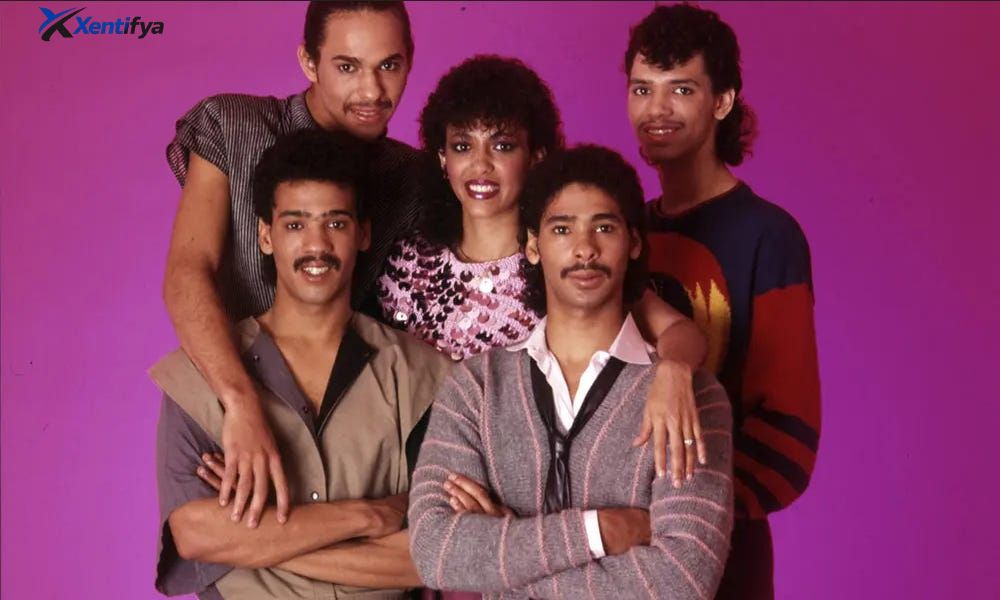
As his own star rose, Bobby also played a guiding role for his younger siblings. In 1987, he joined the family group DeBarge (which included El, Bunny, Mark, Randy, and James) as a mentor and co‑producer, helping them transition from local performers to recording artists.
This partnership was more than musical. Bobby became a brother figure who shared his industry experience, songwriting talents, and lessons from touring and recording. His influence helped shape some of the family group’s most memorable harmonies and performances.
Downfall: Addiction, Legal Troubles, and Prison
By the late 1980s, Bobby’s career was in decline. His ongoing addiction issues led to dangerous choices. In 1988, he and his brother Chico were arrested on drug trafficking charges while attempting to transport cocaine—a crime that carried serious consequences.
Bobby was sentenced to five years in prison. This period was transformative but also devastating. Behind bars, Bobby confronted the realities of his life, far from the music world that had once celebrated him.
It was during his incarceration that Bobby learned he had contracted HIV, likely through shared needles during years of drug use. At a time when public understanding and treatment of HIV/AIDS were limited, this diagnosis was a heavy blow.
Return to Music and Final Years
After his release in 1993, Bobby vowed to reclaim his life and stay clean. He returned to recording, working on material that reflected his experiences, pain, and determination. In 1995, he completed the album “It’s Not Over,” a title that poignantly captured his resilience and hope.
The renewed creative spark was a brief but significant final chapter. Bobby spent the last year of his life near family, trying to rebuild relationships and savor moments with his children and wife.
The Reality of His Death
On August 16, 1995, Bobby DeBarge died of complications from AIDS at just 39 years old. His passing highlighted not only the tragic personal toll of addiction but also the broader stigma and silence surrounding HIV/AIDS in the 1990s.
Though his illness was not widely publicized during his life, his family ensured he spent his final days in comfort, surrounded by those who loved him. His burial in Garfield Park Cemetery, Grand Rapids marked the end of a remarkable yet painful journey.
Legacy and Lasting Impact
Bobby DeBarge’s musical influence continues to resonate. His work with Switch helped define the soulful R&B sound of the late 1970s and early 1980s, inspiring later artists and shaping the genre’s evolution.
His voice, songwriting, and emotional depth remain powerful reminders of his talent. The biopic “The Bobby DeBarge Story” released in 2019 brought his story to new audiences, honoring both his artistry and the challenges he faced.
Beyond music, Bobby’s life is a testament to human complexity. He lived with contradictory forces: incredible creative gifts and deep personal struggles. His story reminds us that genius often hides pain, and that success does not make struggle invisible. The courage to create amidst adversity is perhaps his most enduring legacy.
Remembering Bobby DeBarge: More Than a Musician
Bobby DeBarge’s life was bigger than hits and records. It was a journey through triumph and shadows, resilience and heartbreak. He touched listeners worldwide with his voice and gave his family a foundation in music that would echo for decades. His life beyond the spotlight teaches us about vulnerability, humanity, and the importance of compassion.
Today, Bobby is remembered not only for his falsetto and songs but for the raw honesty of his life—a story of brilliance and battles that continues to move and teach the world.
FAQs about Bobby DeBarge:
1. Who was Bobby DeBarge?
Bobby DeBarge was a talented American singer and songwriter, best known as a member of the R&B group Switch. His smooth falsetto and contributions to the genre have made him a respected figure in music history.
2. What happened to Bobby DeBarge?
Bobby DeBarge’s life was marked by both success and personal struggles, including addiction and legal troubles. He died in 1995 from complications related to AIDS, leaving behind a legacy of music and family influence.
3. What was Bobby DeBarge’s impact on music?
Bobby DeBarge helped shape the R&B sound of the late ’70s and early ’80s with Switch. His soulful voice and songwriting influenced many artists and contributed to the genre’s evolution.
4. Why is Bobby DeBarge considered an icon in R&B?
Bobby’s vocal talent, creative songwriting, and role in Switch elevated him to iconic status in R&B. Despite his challenges, his music continues to inspire listeners worldwide.
5. What can we learn from Bobby DeBarge’s life?
Bobby DeBarge’s life teaches us about resilience and the human spirit. Despite personal struggles, he never stopped creating and influenced both his family and the music world.