


Introduction
When people hear the name Freddy Moore, many immediately connect it to actress Demi Moore. While that relationship remains part of his public story, it represents only a small chapter of a much larger journey. Freddy Moore was a talented musician, songwriter, performer, and creative figure who spent decades contributing to the American rock scene.
- Introduction
- BIO
- Who Was Freddy Moore?
- Early Years and Musical Beginnings
- Building a Career in Music
- The Rise of The Kats and The Nu Kats
- “It’s Not a Rumour” and Musical Recognition
- Songwriting Talent
- Marriage to Demi Moore
- Life Beyond the Headlines
- Challenges Throughout His Journey
- Influence on the Los Angeles Music Scene
- Why Freddy Moore’s Legacy Still Matters
- Interesting Facts About Freddy Moore
- Lasting Impact
- Conclusion
- Colin O’Donoghue Wife: The Story of Helen and Their Love
- Frequently Asked Questions
His career was built on passion rather than commercial fame. He worked with multiple bands, wrote memorable songs, and became a respected presence in the Los Angeles music community during a period when rock music was rapidly evolving. Although he never achieved the mainstream recognition enjoyed by some of his contemporaries, his influence and artistic dedication left a lasting impression on those who followed his work.
The story of Freddy Moore is not simply about celebrity connections. It is about perseverance, creativity, and a lifelong commitment to music.
BIO
| Label | Information |
|---|---|
| Full Name | Frederick George Moore |
| Known As | Freddy Moore |
| Birth Date | July 19, 1950 |
| Birth Place | Minneapolis, Minnesota, USA |
| Nationality | American |
| Profession | Musician and Songwriter |
| Music Genre | Rock, New Wave, Power Pop |
| Famous For | The Nu Kats and songwriting |
| Notable Song | It’s Not a Rumour |
| Active Years | 1970s–2020s |
| Former Spouse | Demi Moore |
| Legacy | Influential figure in rock music |
Who Was Freddy Moore?
Freddy Moore, born Frederick George Moore on July 19, 1950, in Minneapolis, Minnesota, was an American rock musician and songwriter. Throughout his career, he became known for his energetic performances, distinctive songwriting style, and involvement in several influential bands.
From an early age, music played an important role in his life. He developed a strong interest in rock and roll and spent years refining his skills as a guitarist and vocalist. His dedication eventually led him to pursue music professionally.
Unlike many performers who chased trends, Moore remained focused on creating music that reflected his own artistic vision. This commitment helped him earn respect among fellow musicians and loyal fans, even when commercial success proved difficult to achieve.
Early Years and Musical Beginnings
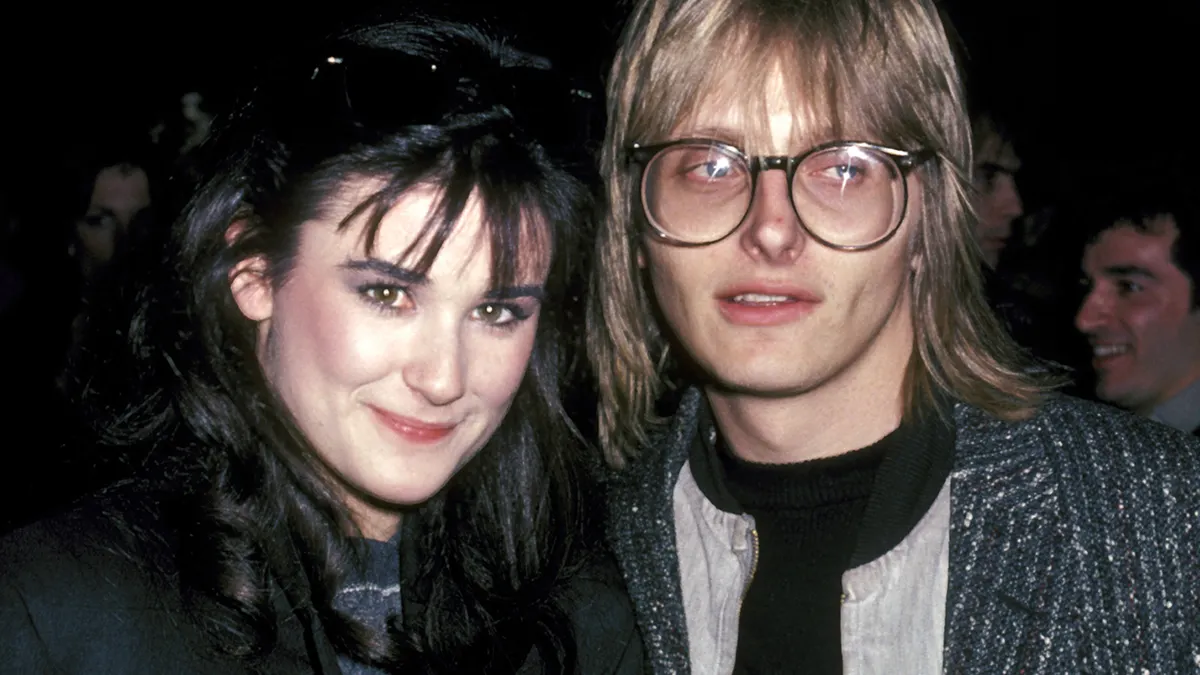
Freddy Moore’s path into music began long before he entered the spotlight. Growing up during the rise of rock music in America exposed him to a generation of artists who transformed the cultural landscape.
As a young musician, he experimented with different sounds and styles while developing his identity as a performer. These early experiences helped shape the creative approach that would later define much of his work.
Like many aspiring artists of his era, he faced numerous challenges. Breaking into the music industry required determination, patience, and a willingness to take risks. Moore embraced those challenges and continued moving forward despite setbacks.
His persistence eventually opened doors that allowed him to establish himself within the growing rock scene.
Building a Career in Music
Freddy Moore’s professional career gained momentum through his involvement with several bands. One of his earliest notable projects was Skogie, a group that later evolved and expanded its musical direction.
As the band matured, it eventually became known as The Kats, a group that gained attention within the Los Angeles music community. Their performances attracted growing audiences, and the band built a reputation for energetic live shows.
The late 1970s proved to be an important period for Moore’s career. Los Angeles was becoming one of the most exciting music centers in the United States, and many emerging artists were searching for opportunities to stand out.
Moore embraced this competitive environment and continued developing his songwriting abilities while performing alongside talented musicians.
The Rise of The Kats and The Nu Kats
One of the most significant chapters in Freddy Moore’s career involved his work with The Kats and later The Nu Kats.
The band arrived in Los Angeles from Minneapolis and quickly immersed itself in the city’s vibrant music scene. During this period, they performed alongside several notable acts and established themselves as a respected local group.
The transition from The Kats to The Nu Kats marked a new creative direction. The band embraced a fresh sound that combined elements of rock, new wave, and power pop.
Their music reflected the changing tastes of audiences during the late 1970s and early 1980s. While many groups were experimenting with new styles, Moore and his bandmates managed to create music that felt both contemporary and distinctive.
Their performances at famous Los Angeles venues helped strengthen their reputation and expanded their fan base.
“It’s Not a Rumour” and Musical Recognition
Among Freddy Moore’s most remembered works is the song “It’s Not a Rumour.”
The track became closely associated with The Nu Kats and remains one of the most recognizable pieces from Moore’s catalog. Its energetic sound captured the spirit of early 1980s rock while showcasing his songwriting talent.
The song gained additional attention because Demi Moore appeared in the music video. At the time, she was still early in her entertainment career, and the video later became an interesting piece of pop culture history.
Beyond its connection to celebrity culture, the song demonstrated Freddy Moore’s ability to craft memorable music that resonated with listeners.
Although the song did not become a major commercial hit, it earned appreciation from fans who admired the band’s creativity and originality.
Songwriting Talent
While Freddy Moore often received attention as a performer, songwriting was one of his greatest strengths.
He possessed a natural ability to combine catchy melodies with meaningful lyrics. His songs often reflected personal experiences, observations, and emotions that listeners could relate to.
Many musicians find success through performance alone, but Moore understood the importance of strong songwriting. His commitment to creating authentic music helped distinguish him from countless artists competing for recognition during the same era.
This talent also allowed him to collaborate with others and contribute creatively beyond the stage.
For Moore, songwriting was not simply a profession. It was a form of self-expression that remained central to his identity throughout his life.
Marriage to Demi Moore
One of the reasons Freddy Moore continues to attract public interest is his marriage to actress Demi Moore.
The couple met when Demi was still pursuing her early dreams in Hollywood. Their relationship quickly developed, and they married in 1981.
At the time, Freddy Moore was already active in the music scene, while Demi was just beginning her journey in entertainment. Their relationship introduced her to a creative environment that included musicians, performers, and artists.
Interestingly, Demi adopted the surname “Moore” during their marriage and continued using it professionally even after their divorce. As a result, the name became permanently associated with one of Hollywood’s most recognizable actresses.
Despite their eventual separation, this chapter remains an important part of both their personal histories.
Life Beyond the Headlines
Public discussions about Freddy Moore often focus heavily on his relationship with Demi Moore. However, reducing his story to that single connection overlooks decades of artistic work.
Throughout his life, he remained deeply connected to music. He continued writing, recording, and performing long after his marriage ended.
Unlike many artists who seek constant publicity, Moore generally maintained a lower public profile. He preferred focusing on creative work rather than celebrity attention.
This approach reflected his personality and priorities. Music remained at the center of his life, regardless of changing trends or media interest.
Those who followed his career often admired his authenticity and dedication to artistic expression.
Challenges Throughout His Journey
Like many musicians, Freddy Moore experienced both successes and disappointments.
The music industry can be unpredictable, especially for artists working outside the mainstream. Commercial recognition does not always reflect talent, and many gifted musicians struggle to achieve widespread fame.
Moore encountered these realities throughout his career. While he earned respect among peers and fans, broader commercial success remained elusive.
Yet these challenges never diminished his commitment to music.
His willingness to continue creating despite obstacles speaks volumes about his character. Rather than measuring success solely through sales or popularity, he remained focused on the craft itself.
That persistence became one of the defining qualities of his legacy.
Influence on the Los Angeles Music Scene
The Los Angeles music scene of the late 1970s and early 1980s was filled with innovation, competition, and creativity.
Freddy Moore contributed to that environment through his performances, recordings, and collaborations. His bands became part of a movement that helped shape the city’s evolving rock culture.
Artists such as The Police, The Knack, and Oingo Boingo were also active during this era, creating an exciting atmosphere for musicians and audiences alike.
Within this landscape, Moore carved out his own place. He may not have achieved the same level of commercial fame as some contemporaries, but his contributions remain part of the broader history of the period.
His work reflects the energy and experimentation that defined an important chapter in American rock music.
Why Freddy Moore’s Legacy Still Matters
Legacy is not always measured by chart positions or award trophies.
In many cases, an artist’s true impact is found in the respect they earn from fellow musicians and dedicated fans. Freddy Moore’s career demonstrates this reality.
His music continues to be remembered by those who appreciate the independent spirit of classic rock and power pop. His recordings preserve a unique moment in music history and offer insight into the creative culture of Los Angeles during a transformative era.
Additionally, his songwriting contributions remain an important part of his artistic identity.
For younger generations exploring the roots of American rock music, Moore’s story provides a valuable reminder that meaningful contributions often come from artists working outside the spotlight.
Interesting Facts About Freddy Moore
He was born in Minneapolis, Minnesota, in 1950.
His full name was Frederick George Moore.
He performed under the nickname “Skogie” during parts of his career.
He was involved with bands including Skogie, The Kats, The Nu Kats, Boy, and The Kat Club.
The song “It’s Not a Rumour” remains one of his best-known works.
Demi Moore appeared in one of his music videos before becoming a major Hollywood star.
Demi kept the Moore surname after their marriage ended.
He spent decades creating and performing music even when mainstream attention faded.
These details help illustrate the depth of a career that extended far beyond celebrity headlines.
Lasting Impact
Freddy Moore’s life serves as a reminder that artistic success takes many forms.
Not every influential musician becomes a household name. Some leave their mark through creativity, dedication, and the communities they help shape. Moore belonged to that group of artists.
His work reflected genuine passion for music, and his career demonstrated resilience in an industry known for constant change. Whether through songwriting, live performances, or collaborations, he contributed meaningfully to the rock music landscape.
Today, his legacy continues through his recordings, his influence on fellow musicians, and the stories shared by those who appreciated his work.
Conclusion
Freddy Moore remains a fascinating figure in American music history. While many people first discover his name through his connection to Demi Moore, a closer look reveals a talented musician whose career deserves recognition on its own merits.
From his early days in Minneapolis to his years performing in Los Angeles, Moore dedicated his life to music. His involvement with bands such as The Kats and The Nu Kats, his memorable songwriting, and his enduring creative spirit all contributed to a legacy that continues to resonate with fans.
His story is ultimately one of passion, perseverance, and artistic authenticity. In an industry often driven by fame, Freddy Moore chose to focus on the music itself—and that may be the most lasting legacy of all.
Colin O’Donoghue Wife: The Story of Helen and Their Love
Frequently Asked Questions
Who was Freddy Moore?
Freddy Moore was an American rock musician, songwriter, and performer known for his work with bands such as The Kats and The Nu Kats. He was also recognized for his contributions to the Los Angeles music scene.
What is Freddy Moore best known for?
Freddy Moore is best known for his music career and the song “It’s Not a Rumour.” Many people also know him as the first husband of actress Demi Moore.
Was Freddy Moore a successful musician?
While he did not achieve major mainstream fame, Freddy Moore earned respect as a talented songwriter and performer. His work continues to be appreciated by fans of classic rock and power pop.
How is Freddy Moore connected to Demi Moore?
Freddy Moore married Demi Moore in 1981. Although the marriage later ended, Demi continued using the Moore surname throughout her successful acting career.
What is Freddy Moore’s lasting legacy?
Freddy Moore’s legacy lies in his dedication to music, creative songwriting, and influence within the Los Angeles rock scene. His work remains an important part of the era’s musical history.