
Introduction
The supreme court catholic charities decision became one of the most important religious liberty cases in recent years because it asked a simple but powerful question: can a state decide that a religious charity is not “religious enough” because it serves the public without preaching or limiting help to members of its own faith?
- Introduction
- BIO
- What the Case Was About
- How the Dispute Reached the Supreme Court
- What the Supreme Court Decided
- Why the Decision Matters
- Impact on Religious Charities
- Impact on State Policies
- Impact on Workers
- Supporters of the Ruling
- Critics of the Ruling
- Church and State Questions
- Historical Context
- What Could Change Next
- Common Misunderstandings
- Why It Matters for the Public
- Final Thoughts
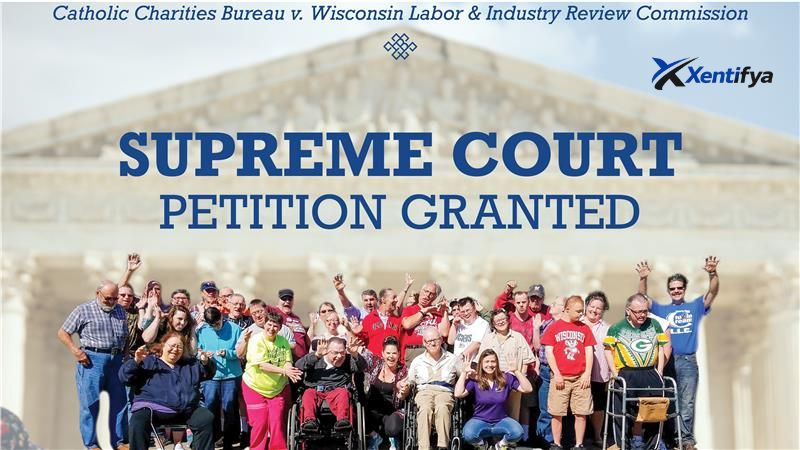
The case involved Catholic Charities Bureau of the Diocese of Superior, Wisconsin, and several related nonprofit groups. These organizations provide social services to people with disabilities, older adults, low-income residents, and others in need. Their work is rooted in Catholic teaching, but their services are open to people regardless of religion.
On June 5, 2025, the U.S. Supreme Court ruled unanimously in favor of Catholic Charities. The Court held that Wisconsin violated the First Amendment by denying the group a religious exemption from the state unemployment tax system because its charitable work did not look religious enough under the state’s standard.
BIO
| Label | Information |
|---|---|
| Article Topic | Supreme Court Catholic Charities |
| Content Type | Legal and policy analysis |
| Main Focus | Religious freedom ruling |
| Court | U.S. Supreme Court |
| Organization Involved | Catholic Charities Bureau |
| State Connected | Wisconsin |
| Key Issue | Religious tax exemption |
| Decision Date | June 2025 |
| Core Debate | Faith and public service |
| Legal Basis | First Amendment rights |
| Main Impact | Protection for faith-based groups |
| Affected Sector | Religious nonprofits |
| Public Importance | Church and state balance |
What the Case Was About
At the center of the supreme court catholic charities case was Wisconsin’s unemployment compensation law. The law gives certain religious organizations an exemption from paying into the state unemployment tax system. Catholic Charities Bureau argued that it qualified for this exemption because it is controlled by the Catholic Diocese of Superior and carries out its work as part of the Church’s religious mission.
Wisconsin officials disagreed. They argued that Catholic Charities and its related agencies were mainly doing charitable and social-service work, not religious work. The state focused heavily on the fact that the organizations did not proselytize, did not require clients to be Catholic, and did not limit services to people who shared their faith.
That reasoning became the heart of the constitutional problem. Catholic Charities argued that serving everyone, without religious pressure, was not evidence that its work was secular. Instead, it said this approach reflected Catholic teaching about caring for the poor, vulnerable, disabled, and elderly.
How the Dispute Reached the Supreme Court
Before reaching the U.S. Supreme Court, the case went through Wisconsin’s legal system. The Wisconsin Labor and Industry Review Commission denied the exemption. Later, courts reviewed whether Catholic Charities Bureau and its subentities were “operated primarily for religious purposes” under Wisconsin law.
In 2024, the Wisconsin Supreme Court ruled against Catholic Charities in a divided decision. The state court concluded that although the group may have been motivated by Catholic teaching, its actual activities were mostly charitable and secular.
Catholic Charities appealed to the U.S. Supreme Court. The national question was not only about taxes. It was about whether government officials may treat some religious organizations less favorably because their faith is expressed through service rather than preaching.
What the Supreme Court Decided
The U.S. Supreme Court ruled unanimously for Catholic Charities. Justice Sonia Sotomayor wrote the opinion for the Court. The decision said Wisconsin’s approach violated the First Amendment because it favored some kinds of religious activity over others.
The Court rejected the idea that religious work must include worship, teaching, proselytizing, or serving only members of the same faith. In the Court’s view, Wisconsin had created a religious preference by treating more visibly religious organizations better than religious groups whose faith leads them to serve the wider public.
This mattered because the First Amendment does not allow the government to decide which religious practices are more authentic, more important, or more deserving of legal protection. The ruling emphasized that religious neutrality means the state cannot favor one religious expression over another.
Why the Decision Matters
The supreme court catholic charities ruling matters because many religious organizations do their work through hospitals, schools, shelters, adoption agencies, food programs, disability services, refugee support, and community aid. These groups may not always preach during their services, but they often see that work as part of their religious mission.
The decision makes clear that a charity does not become less religious simply because it helps everyone. For Catholic Charities, serving people without asking about their faith was not separate from religion. It was an expression of religion.
This ruling may affect how states evaluate religious nonprofits in tax, employment, and public-benefit systems. It does not mean every religious organization automatically wins every exemption claim. However, it does mean states must be careful not to judge religious status based on narrow assumptions about what religion should look like.
Impact on Religious Charities
For religious charities, the decision offers stronger protection against government rules that separate “religious” activity from “charitable” activity too rigidly.
Many faith-based organizations believe feeding the hungry, caring for the sick, supporting families, and helping vulnerable people are religious acts. The Supreme Court’s ruling supports the idea that religion can be expressed through service, not only through prayer, worship, or evangelism.
This is especially important for groups that serve diverse communities. Under Wisconsin’s earlier approach, an organization could be treated as less religious because it did not limit help to its own members. The Supreme Court found that kind of reasoning constitutionally troubling.
Impact on State Policies
The ruling also sends a message to state governments. When states create religious exemptions, they must apply them without favoring certain denominations, traditions, or religious styles.
A state may still have a legitimate interest in funding unemployment benefits and protecting workers. But if it offers exemptions to religious organizations, it cannot decide eligibility by rewarding groups that preach more directly while penalizing groups that serve quietly.
The Court applied a strict constitutional standard because Wisconsin’s policy created a denominational preference. That means the state had to show that its approach was narrowly tailored to serve a compelling government interest. The Court concluded Wisconsin’s approach failed that test.
Impact on Workers
The worker impact is one of the most debated parts of the case. Supporters of Catholic Charities argue that the organization can provide unemployment support through a church-run system instead of the state system. They see the decision as a fair protection for religious organizations.
Critics worry that broader religious exemptions could reduce access to standard unemployment protections for employees of religious nonprofits. Some labor-focused commentators warned before the decision that a broad ruling might encourage more employers to seek exemptions from workplace rules.
The actual impact will depend on how similar laws are written in other states and how religious organizations handle employee protections outside state systems. The decision does not erase worker protections everywhere, but it will likely influence future disputes involving religious exemptions and employment-related laws.
Supporters of the Ruling
Supporters of the Supreme Court’s decision see it as a major victory for religious freedom. Their main argument is that the government should not define religious work so narrowly that only preaching, worship, or religious instruction counts.
From this perspective, Catholic Charities was punished for following its faith in a generous and open way. Because the organization served everyone, Wisconsin treated its work as secular. Supporters believe that conclusion misunderstood the nature of religious charity.
They also argue that the ruling protects pluralism. Different religious traditions express faith differently. Some focus on worship, some on teaching, some on service, and many combine all three. The government should not favor one model over another.
Critics of the Ruling
Critics see the case differently. They worry that expanding religious exemptions can weaken public accountability, especially when religious nonprofits operate in areas like employment, healthcare, education, or social services.
Some critics argue that if an organization provides public-facing services and employs workers like other nonprofits, it should follow the same rules as similar secular organizations. They are concerned that religious exemptions may create unequal treatment for employees or clients.
Others worry about public funding and fairness. If faith-based groups receive benefits, contracts, or exemptions while serving the general public, critics believe the government must ensure that access, worker rights, and nondiscrimination rules remain protected.
Church and State Questions
The supreme court catholic charities decision sits inside a larger American debate about church and state. The First Amendment protects religious exercise, but it also prevents government establishment of religion. Courts often have to balance these principles carefully.
In this case, the Supreme Court focused strongly on religious neutrality. The problem was not that Wisconsin had an unemployment tax system. The problem was that Wisconsin’s exemption treated religious groups differently based on the way they practiced their faith.
The ruling reinforces an important principle: government officials should not act as religious judges. They should not decide that one religious organization is more authentic because it evangelizes, while another is less religious because it serves quietly.
Historical Context
This decision follows a broader pattern in recent Supreme Court cases involving religious liberty. In several cases, the Court has been skeptical of government policies that exclude religious organizations from benefits available to others.
The Catholic Charities ruling is different in one important way. It was unanimous. Justices across ideological lines agreed that Wisconsin’s method created a constitutional problem.
That unanimity gives the decision added weight. It suggests that the Court viewed the state’s religious distinction as clearly unfair, even though the justices may disagree in other religious liberty cases.
What Could Change Next
The ruling may encourage religious nonprofits to review their legal status, mission statements, employee policies, and benefit systems. Groups that were previously denied exemptions may look again at whether this decision strengthens their position.
States may also revisit how they write and apply religious exemptions. Laws that require officials to decide whether an organization is religious based on outward activities may face closer scrutiny.
However, the decision does not give religious groups unlimited freedom from every regulation. Courts will still examine the exact law, the government interest, the type of exemption, and the burden on religious exercise.
Common Misunderstandings
One misunderstanding is that the case was only about Catholic Charities avoiding taxes. The tax issue was important, but the constitutional issue was broader. The question was whether Wisconsin applied its exemption in a way that discriminated among religious groups.
Another misunderstanding is that the Court said all charity work is automatically religious. It did not. The decision focused on Wisconsin’s treatment of an organization controlled by the Catholic Church and operating under a religious mission.
A third misunderstanding is that the ruling only matters to Catholics. In reality, it may affect many religious traditions. Any faith-based organization that expresses religion through service could point to this decision in future disputes.
Why It Matters for the Public
For the public, the ruling matters because religious charities are deeply involved in American social services. They help people experiencing poverty, disability, homelessness, family crisis, addiction, and isolation.
When the law defines religious work too narrowly, it can pressure religious groups to change how they serve. A charity may feel pushed to add religious messaging or limit its services to prove its faith identity. The Supreme Court rejected that kind of pressure.
At the same time, the public also has a legitimate interest in fair labor standards and equal access to services. That is why future debates will likely focus on how to protect religious liberty while also protecting workers and vulnerable communities.
Final Thoughts
The supreme court catholic charities decision is important because it protects a broader understanding of religious service. The Court recognized that faith can be expressed not only through words, worship, or doctrine, but also through practical care for people in need.
The ruling strengthens protections for religious nonprofits and limits the government’s ability to judge which religious activities count as truly religious. It also raises continuing questions about employment protections, public benefits, and the relationship between faith-based organizations and state programs.
In the end, the decision is not just about one Catholic charity in Wisconsin. It is about how American law understands religious mission in public life. For many organizations, the message is clear: serving everyone does not make religious work less religious. It may be exactly how that faith is meant to be lived.